

I felt much warmed up after finishing the clothes ironing and left over pork curry from last night. No need for a heater, as I prefer au naturale approaches to climate management (okay, except for the thermostat heater tube for the goldfish tank, I must admit). No one talks much of the dryness of skin from electrical or other human induced heating, and the effects of searing summer is only for a few unbearable days in Wollongong. There is so much push by the media on climate change, but they also overload us with plenty of models of electrical gadgets during advertising breaks.
Passing showers fell after I watered the garden beds last night, with precise timing as if I had invoked it once I took out the garden hose. I felt good to see moisture on the sand coloured pebbles placed to try to prevent or discourage weeds. Water flowed over the small stones like a break of drought over a river bed. Flora never go out of fashion as fast as bath sets, tapheads, vanity cabinets, stoves, ovens and sink models. Human beings are in constant drive to modify, change or innovate. Plants and flowers thrive in consistency and gradual adaptation, not sudden drastic changes.
David Mason maintains an engaging enthusiasm as he works through countless numbers of customers at the coffee and tea outlet he works in. His dark brown hair rises to a natural vertical over his forehead as if he was supporting Mount Matterhorn in the French Alps. His eyes may reflect fatigue but still exude a natural smile for others. I ask him if he has found his working experience for the past year useful and relevant to his future plans and dreams. David says he is glad he embraced the ropes, the people, the network and the reality on the front lines. He seems to have a structured purpose to the role he has chosen for himself. Do we need to throw ourselves, I sometimes ponder, to the whims and fancies of formal syllabuses and course demands, when we can shape and sculpt some part of our own preferences in preparing for our future?
I have been reminded that some specific individuals are not all that reasonable or civil. Maybe, as a title of a catchy tune alludes to in the South Pacific musical, I have been all along too much a bright-eyed optimist. I naturally think of the best in people when I first meet and interact with them. These individuals with negative intent try to impose their demands and influence beyond their actual impact, and must feel good, in their own perverted reckoning, to seemingly be able to utilise laws meant for the common good to apply to their unique personal advantage. Do they really need to think and act like that? In the unsaid laws of the universe, every action does bring forth an equal and logical reaction.
Subscribe To

 Posts
All Comments
Tuesday, 22 June 2010


Monday, 14 June 2010
The Art of Making Radish Flavoured Cake

Radish Flavoured cake is not a dessert nor for tea time - it is a much looked forward snack for breakfast or supper in food-obsessed Singapore or Malaysia. Inspired from southern Chinese provincial fare, it is a stir-fried combination that provides reliability to quell hunger, be inspired by aromatic flavours and topped by omelette's pieces.

The wok hei- or heat - is important in dishing up tasty stir-fried with a oomph.
here cousin Susan takes the cooking tot he courtyard on a cool winter's night in a Sydney suburb.
Her freshly plucked chillies from her garden are combined into a paste that essentially gives the otherwise plain looking radish-flavoured cake (known colloquially as Kueh Kak) a kick to the palate.
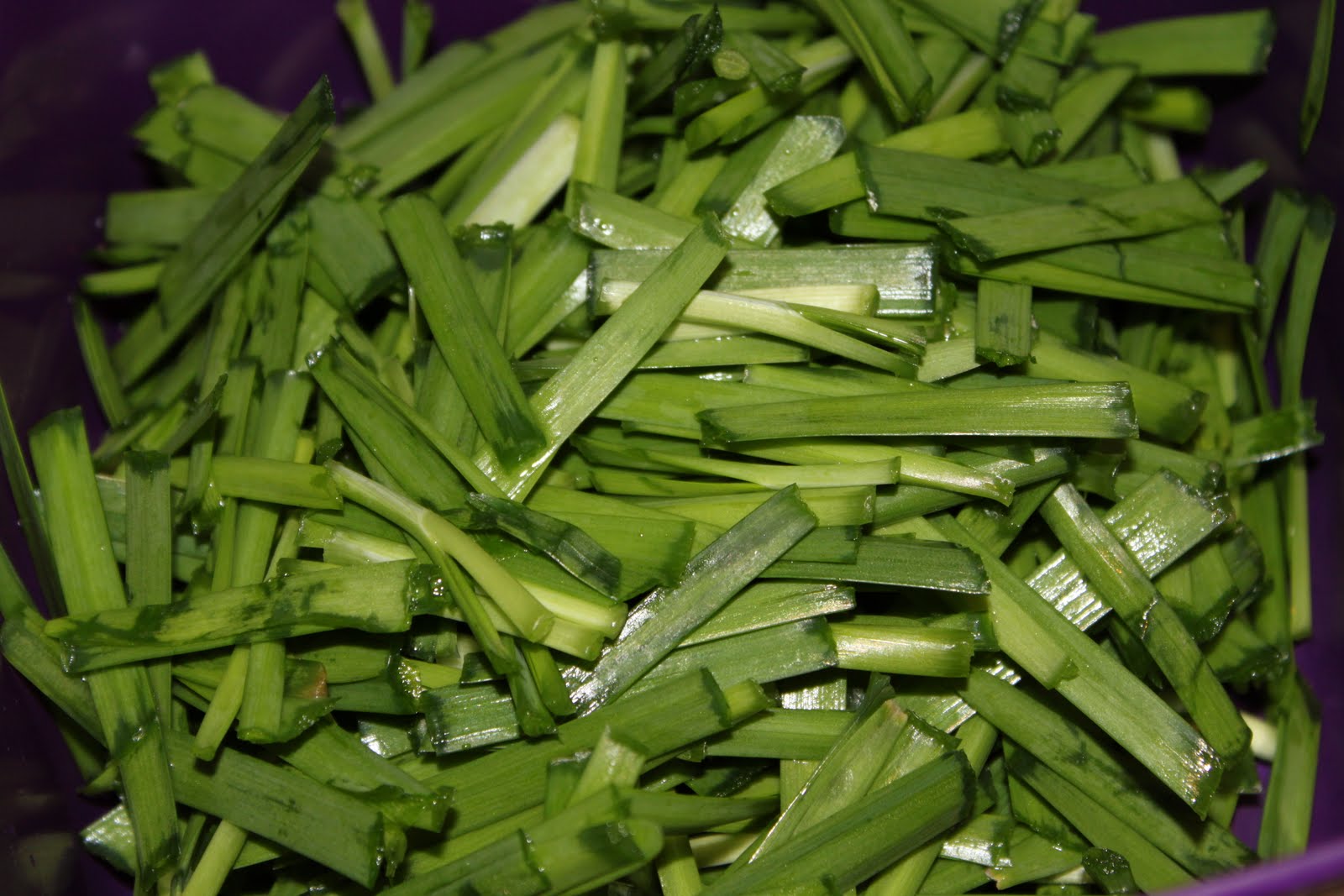
Chives are washed and cut length-wise for blending with the wok-induced aromas from bean sprouts, dashes of ginger, garlic paste, pre-cooked rice-based cubes and eggs.


Monday, 7 June 2010
The Art of Making Chung

Chung in the Cantonese dialect refers to the bamboo leaf-wrapped steamed/ boiled dumplings of glutinous rice cooked with various ingredients. Comfort food steeped in tradition and history, it is wholesome, tasty and essentially a summer delight. The southern Chinese versions feature mushrooms, pork cuts, beans and more - all doused with flavourful marinades of soy sauce to give colour, preservation and principle.
These dumplings tell a story of holding upright principles in feudal China and are linked to the annual celebrations of the Dragon Boat races in most of eastern Asia.

Each bamboo leaf has to be culled and thoroughly washed with warm water and scrubbed. The aromatic infusion of these leaves add to the cooked flavour, and they are not merely used for wrapping.

Glutinous rice is pre-cooked even before being used as fillers in bamboo leaf wraps.

The various ingredients are set out before filling in the triangle shaped delights. Time is of the essence, as there are various stages of preparation, patience and cooking time required. In 2010, the Dragon Boat Festival of the lunar calendar falls on 15 June. This event recalls how a high-ranking minister, disillusioned with the corrupt conduct and politics of his day, threw himself into a raging river and how his loyal subjects tried to divert the fish from eating his drowned body. This was how dragon boat racing and the chungs came into being.

Mushrooms galore, a much valued ingredient in Chinese cuisine.

The steamer, kept snugly down by a stone cap, especially effective during the process.

The Straits Chinese or Peranakan version of the chung offers a more dessert sweet dimension in taste, compared to its original mainland China roots. They offer nutty flavours instead of savoury, and include fanciful blue natural colouring of the rice to reflect integrated cultural influences of the Malaysian peninsular.


(Kindly Yours acknowledge the making of the chung process above to Mrs Ellen Moay and Mrs Charmaine Wan of Sydney)
Subscribe to:
Posts (Atom)
-
 The escarpment of the Illawarra is not far away on a new concept cafe along Princes Highway in Corrimal, ten minutes north of Wollongong C...
-
They say, never go shopping whilst you are hungry and about to have your next meal shortly. In the logistics of modern life, when you are tr...
-
The twisting of truth and the manipulation of tolerance , I reckon, are two key threats to human dignity and world peace as we enter i...